Planning a Backyard ADU in Central Texas
Freddy · · 11 min read
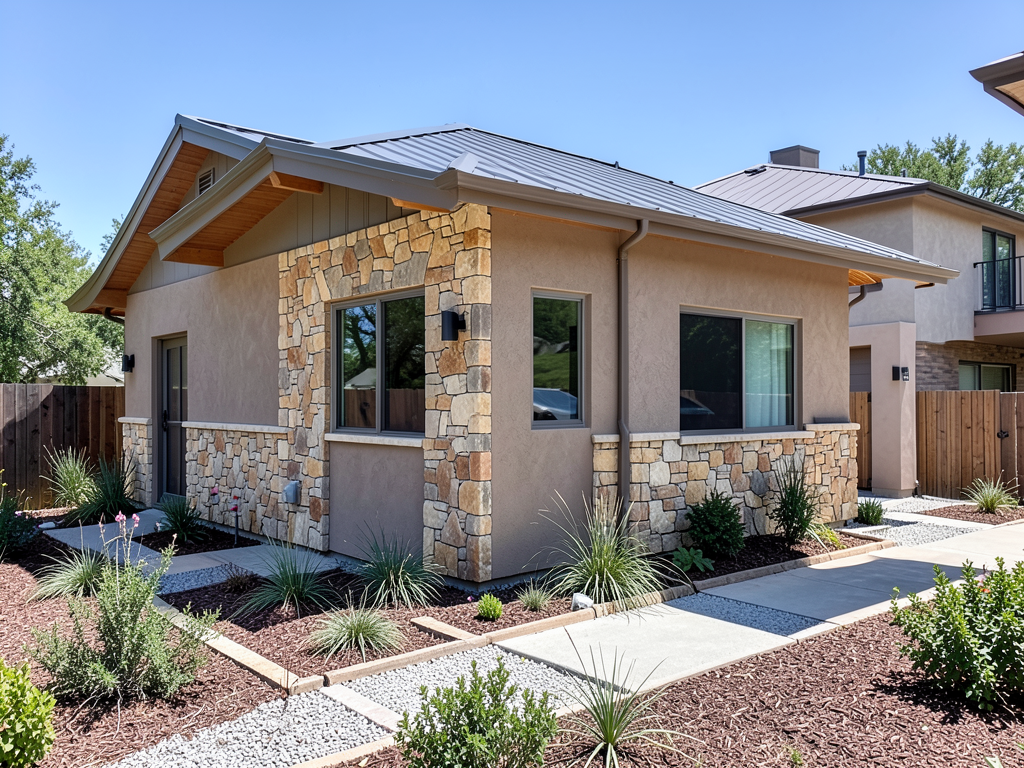
Discover backyard ADU construction in Central Texas with Unicus Construction. Call to plan your project and add flexible living space with expert guidance.
Planning a backyard ADU in Austin or Central Texas is one of the smartest ways to add flexible living space, rental income, or multi-generational housing without leaving your property. Whether you're considering a guest suite in Dripping Springs, a rental-ready accessory dwelling in Lakeway, or a backyard studio in Buda, understanding the planning, permitting, and design considerations upfront saves time, money, and frustration. Unicus Construction, LLC has spent eight years helping Central Texas homeowners build ADUs that protect property value, meet local codes, and blend seamlessly with existing architecture. This guide walks you through every phase of planning your backyard ADU project — from lot feasibility and utility connections to permitting timelines and builder selection — so you can make informed decisions before breaking ground.
What Is a Backyard ADU and Why Central Texas Homeowners Are Building Them
A backyard accessory dwelling unit, or ADU, is a secondary residential structure built on the same lot as your primary home. ADUs go by many names — granny flats, casitas, guest houses, or backyard cottages — but they all serve the same purpose: creating independent living space that functions separately from your main house while sharing the same property.
In Austin, San Marcos, Kyle, and surrounding Hill Country communities, backyard ADUs have become increasingly popular for several practical reasons. Aging parents need nearby housing without sacrificing independence. Adult children returning home want privacy and autonomy. Remote workers need dedicated office space separated from household noise. Property owners seek rental income to offset mortgage costs or fund future renovations. Whatever the motivation, a well-planned ADU delivers flexibility, value, and long-term utility that few other home improvements can match.
Central Texas presents unique opportunities and challenges for ADU construction. Many properties in Driftwood, Dripping Springs, and Lakeway sit on larger lots with generous setbacks, making ADU placement more straightforward. Meanwhile, urban neighborhoods in Austin and Buda often require creative site planning to maximize buildable space while respecting setback requirements, utility easements, and existing landscaping. Working with an experienced ADU construction team that understands local zoning, permitting, and site constraints is essential to avoid costly redesigns or permit delays.
Key Planning Factors Before You Build a Backyard ADU
Building a backyard ADU involves more than selecting a floor plan and choosing finishes. Several foundational factors determine whether your project is feasible, affordable, and compliant with local regulations. Addressing these considerations early — ideally during your initial consultation — helps you avoid surprises and sets realistic expectations for timeline, budget, and design.
Lot Size, Setbacks, and Buildable Area
Not every property can accommodate an ADU, and lot size alone doesn't tell the full story. Setback requirements — the minimum distance your structure must sit from property lines, existing buildings, and easements — often dictate where and how large your ADU can be. In Austin, for example, rear and side setbacks vary by zoning district, and some older neighborhoods have stricter restrictions than newer subdivisions.
Before committing to a design, have your property evaluated for buildable area. This includes reviewing your survey, identifying utility easements, checking for drainage issues, and confirming that your planned ADU won't encroach on protected zones. Unicus Construction works with homeowners across Kyle, San Marcos, and surrounding areas to assess site feasibility early, so you know what's possible before investing in architectural plans or engineering.
Utility Connections and Site Access
Every ADU needs water, sewer, electrical, and often gas connections. Depending on your lot layout and existing infrastructure, running these utilities to a backyard structure can be straightforward or complex. If your main service panel is on the opposite side of the house, trenching for electrical and plumbing may add cost and time. If your property relies on a septic system, you'll need to confirm capacity and possibly upgrade the system to support additional occupancy.
Site access also matters. Can heavy equipment reach the build site without damaging landscaping, driveways, or neighboring property? Will material deliveries require street closures or special permits? These logistical questions are part of responsible planning, and experienced contractors account for them during the consultation phase to avoid mid-project complications.
Permitting and Local Regulations
ADU permitting in Central Texas varies by jurisdiction. Austin has its own ADU regulations, which differ from those in unincorporated Hays County or the city limits of Dripping Springs. Some municipalities allow ADUs by right on qualifying lots, while others require conditional use permits, neighborhood notifications, or design review board approval. Permit timelines can range from a few weeks to several months, depending on the complexity of your project and the responsiveness of your local building department.
Unicus Construction maintains permitting awareness across the Central Texas region and coordinates with local officials to ensure your ADU project meets all code requirements. While exact permit responsibilities are clarified during your consultation, our team helps homeowners navigate the approval process without unnecessary delays or rejections.
Design and Layout Considerations for Central Texas ADUs
Once feasibility and permitting are addressed, the design phase begins. A well-designed backyard ADU balances functionality, comfort, and curb appeal while respecting your property's existing architecture and landscape. Whether you're planning a 400-square-foot studio or a 1,200-square-foot two-bedroom unit, thoughtful design decisions upfront make the difference between a space that works and one that disappoints.
Matching Your Home's Architectural Style
Your ADU should complement, not clash with, your main house. This doesn't mean copying every detail, but it does mean paying attention to rooflines, exterior materials, window styles, and color palettes. A modern farmhouse ADU looks out of place behind a traditional Texas ranch home, and vice versa. Unicus Construction designs ADUs that honor your property's character while incorporating updated features and finishes that meet contemporary living standards.
In Hill Country communities like Lakeway and Driftwood, natural materials such as stone, stucco, and metal roofing are popular choices that withstand weather and blend with the landscape. In urban Austin neighborhoods, clean lines, fiber cement siding, and energy-efficient windows create a cohesive look that appeals to tenants and future buyers alike.
Floor Plan Functionality and Future Flexibility
How will your ADU be used? A studio for aging parents requires different amenities than a rental unit for long-term tenants or a home office for remote work. Think about bedroom count, bathroom layout, kitchen size, storage needs, and outdoor access. Consider future uses as well — today's guest suite may become tomorrow's rental income, and designing with flexibility in mind maximizes long-term value.
Open floor plans with combined living, dining, and kitchen areas work well for smaller ADUs, while larger units benefit from defined spaces that offer privacy and separation. Covered patios or porches extend usable square footage and provide comfortable outdoor living, especially during Central Texas's mild winters and spring evenings.
Energy Efficiency and Climate Considerations
Central Texas summers are hot, and air conditioning costs can add up quickly in a poorly insulated structure. Prioritizing energy efficiency during design and construction pays dividends in comfort and operating costs. High-performance insulation, low-E windows, sealed ductwork, and properly sized HVAC systems keep your ADU comfortable year-round without inflated utility bills.
Orientation also matters. Positioning windows to minimize direct afternoon sun reduces cooling loads, while strategic shading from existing trees or new pergolas enhances livability. If your ADU will be rented, energy-efficient features become selling points that attract quality tenants and justify premium rates.
Construction Process and Timeline for Backyard ADUs
Building a backyard ADU is a multi-phase process that requires coordination between designers, engineers, permitting authorities, and construction crews. Understanding what happens during each phase helps you set realistic expectations and prepare for the commitment involved.
Consultation and Site Evaluation
Every Unicus Construction ADU project begins with an owner-led consultation. CEO and owner Freddy Pacheco personally handles consultations, so you're speaking directly with the person accountable for your project — not a salesperson. During your consultation, we review your lot, discuss design goals, assess feasibility, and provide transparent pricing based on your scope and site conditions. Virtual consultations are preferred, with in-person consultations available for projects requiring detailed site review. Typical consultation turnaround is about 10 days, and we respond immediately to new inquiries.
Design, Engineering, and Permitting
Once you're ready to move forward, the design and engineering phase begins. Architectural plans are developed, structural engineering is completed, and permit applications are submitted to your local building department. This phase requires patience, as permit approval timelines vary by jurisdiction. Projects in Austin may take longer than those in unincorporated areas, and design revisions requested by plan reviewers can extend the timeline further. Clear communication and proactive follow-up — areas where Unicus Construction excels — keep the process moving as efficiently as possible.
Site Preparation and Foundation Work
After permits are issued, construction begins with site preparation. This includes clearing vegetation, grading the pad, and running underground utilities. Foundation work follows, typically consisting of a concrete slab or pier-and-beam system depending on site conditions and design preferences. Proper drainage and moisture management are critical during this phase, especially in areas with expansive clay soils common throughout Central Texas.
Framing, Mechanicals, and Finishes
Framing goes up next, followed by rough-in work for plumbing, electrical, and HVAC systems. Inspections occur at multiple stages to ensure code compliance. After mechanicals are approved, insulation, drywall, and exterior finishes are installed. Interior finishes — flooring, cabinets, countertops, fixtures, and paint — complete the transformation from framed shell to livable space. Unicus Construction coordinates all trades and maintains a clean, organized job site throughout the process, with deep cleaning after every phase and final walkthrough.
Budgeting for Your Backyard ADU in Central Texas
ADU construction is a significant investment, and understanding cost drivers helps you budget accurately and avoid unpleasant surprises. While every project is unique, several factors consistently influence final pricing.
Size, Complexity, and Finish Level
Larger ADUs cost more than smaller ones, but price per square foot often decreases as size increases due to fixed costs like permitting, site work, and utility connections. Complex designs with custom features, multiple rooflines, or challenging site conditions add cost. Finish level — from builder-grade materials to high-end appliances and fixtures — also significantly impacts budget. Unicus Construction works with homeowners to balance quality and cost, delivering ADUs that meet your functional needs and aesthetic goals within your budget range.
Site Conditions and Utility Infrastructure
If your property requires extensive utility extensions, soil remediation, retaining walls, or tree removal, these costs add up quickly. Rocky soil common in some Hill Country areas may require specialized excavation equipment. Poor drainage may necessitate additional grading or French drains. During your consultation, we assess these conditions and provide transparent pricing that reflects your specific site, so you're not caught off guard after construction begins.
Permitting, Engineering, and Soft Costs
Beyond construction costs, budget for permitting fees, engineering, architectural plans, and surveys. These soft costs vary by jurisdiction and project complexity, but they're unavoidable components of a legally compliant ADU project. Skipping proper permitting to save money is a risky gamble that can result in fines, forced removal, or complications when selling your property. Unicus Construction includes permitting coordination as part of our service, ensuring your project meets all local requirements from day one.
Choosing the Right ADU Builder in Central Texas
Not all contractors are equipped to handle ADU projects. Building a secondary dwelling requires knowledge of zoning, permitting, structural engineering, and site coordination that goes beyond typical remodeling work. Choosing a licensed, experienced contractor who understands Central Texas regulations and construction challenges is essential to a successful outcome.
Experience with Permitting and Local Codes
An experienced ADU builder navigates permitting efficiently, anticipates plan reviewer questions, and coordinates inspections without unnecessary delays. Unicus Construction has eight years of experience serving Central Texas homeowners and maintains strong relationships with local building departments across Austin, Kyle, San Marcos, Buda, Dripping Springs, and Lakeway. Our team understands jurisdiction-specific requirements and designs projects that pass review on the first submission whenever possible.
Owner-Led Communication and Accountability
Large construction firms often assign your project to a project manager or salesperson, leaving you disconnected from decision-makers. At Unicus Construction, owner Freddy Pacheco personally handles consultations and remains accountable throughout your project. You're not passed off to a sales desk or juggling multiple points of contact. This owner-led approach ensures clear communication, honest timelines, and consistent follow-through from consultation to final walkthrough.
Licensed, Insured, and BBB Accredited
Verify that your contractor is licensed and insured to protect your investment and avoid liability. Unicus Construction, LLC is fully licensed and insured, and we're BBB Accredited with an A+ rating. These credentials aren't just badges — they represent accountability, professionalism, and a commitment to doing things right. Working with a licensed contractor also ensures your ADU meets code requirements and passes inspection, protecting your property value and giving you peace of mind.
Common Challenges and How to Avoid Them
Even well-planned ADU projects encounter challenges. Understanding common pitfalls and how to address them upfront reduces stress and keeps your project on track.
Underestimating Permit Timelines
Permit approval often takes longer than homeowners expect, especially in municipalities with backlogged plan review departments. Build extra time into your project schedule and avoid committing to firm move-in dates until permits are approved and construction is underway. Unicus Construction provides realistic timeline estimates based on current permitting conditions, so you're not left guessing or disappointed by delays outside your control.
Ignoring Setback and Easement Restrictions
Failing to verify setbacks and easements before designing your ADU can result in costly redesigns or denied permits. Always start with an accurate survey and involve your contractor early to identify buildable areas and avoid encroachments. Unicus Construction reviews site constraints during the consultation phase, so your design reflects what's actually buildable on your lot.
Choosing Price Over Quality
Bargain contractors may offer lower bids, but cutting corners on materials, labor, or permitting leads to problems down the road. Poor insulation, substandard framing, or unpermitted work can haunt you during inspections, resale, or rental occupancy. Investing in a quality build with a licensed, accountable contractor protects your investment and delivers a finished ADU that performs well for decades.
Start Your Backyard ADU with a Clear Consultation
Planning a backyard ADU in Central Texas requires careful attention to lot feasibility, permitting, design, and contractor selection. When you work with an experienced, owner-led team that understands local regulations and prioritizes communication, the process becomes manageable and predictable. Unicus Construction, LLC has spent eight years helping homeowners in Austin, Kyle, San Marcos, Buda, Dripping Springs, and Lakeway build ADUs that add value, flexibility, and long-term utility to their properties.
If you're ready to explore a backyard ADU for your Central Texas home, start with a consultation. Owner Freddy Pacheco personally handles every consultation, providing transparent pricing, honest timelines, and a plan built around how you actually live. We respond immediately to new inquiries, and typical consultation turnaround is about 10 days. Virtual consultations are preferred, with in-person consultations available when needed. Consultation hours are Monday through Friday, 8:00 AM to 3:00 PM.
Call (737) 678-4445, email info@unicusconstructiontx.com, or book your consultation online at https://www.unicusconstructiontx.com/book. Unicus Construction serves Central Texas within a 50-mile radius from our Kyle base, and we're ready to help you plan an ADU that works for your property, your budget, and your goals. Learn more about our ADU construction services or explore our project gallery to see real Unicus work. We look forward to helping you build flexible, high-quality living space on your property.