Best Season for Home Renovations in Central Texas
Freddy · · 10 min read
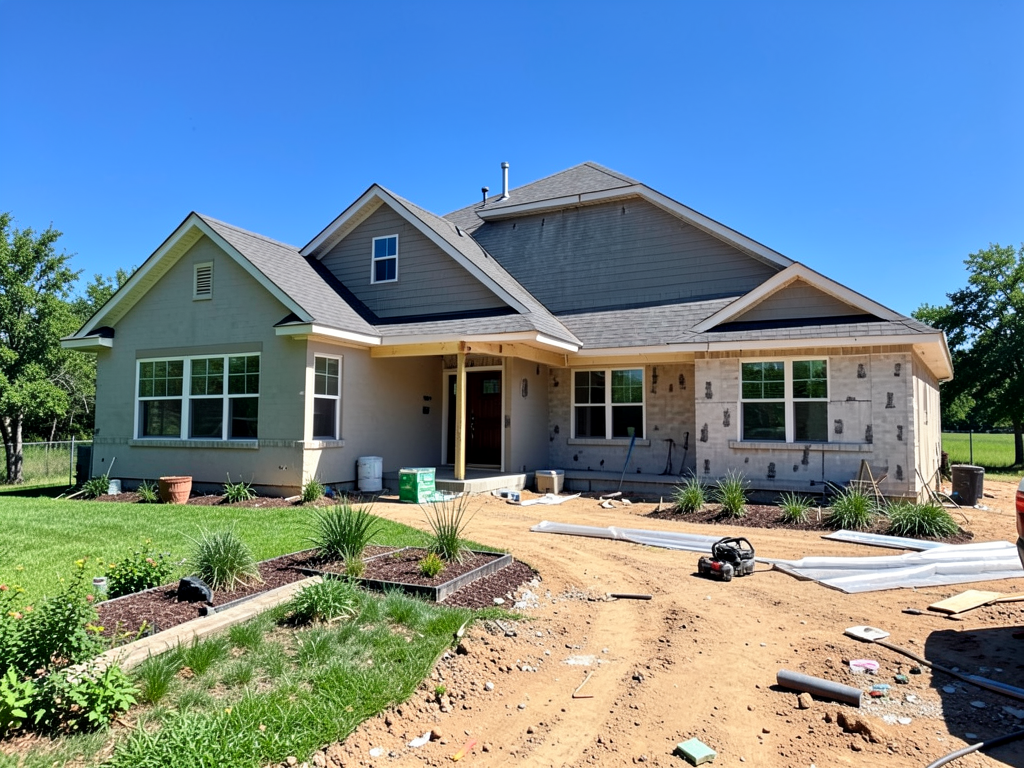
Discover the best season for home renovations in Central Texas with Unicus Construction. Call us to plan your project with expert seasonal insights and maximize comfort.
Central Texas homeowners planning a major renovation, home addition, or accessory dwelling unit often face a critical question: should you tackle your project during the scorching summer months or wait for cooler winter weather? The answer isn't always obvious, especially when you're working with a licensed contractor who needs to coordinate multiple trades, manage material deliveries, and ensure your home remains comfortable throughout construction. Unicus Construction has spent eight years building and renovating homes across Austin, San Marcos, Buda, Dripping Springs, Lakeway, and Driftwood, and we've learned that both seasons offer distinct advantages—and challenges—for homeowners ready to invest in their property.
Understanding Central Texas Climate Patterns and Construction Windows
Central Texas experiences two very different construction environments throughout the year. Summer brings intense heat, with temperatures in Kyle, Austin, and surrounding communities regularly exceeding 100 degrees between June and September. Winter offers milder daytime temperatures, typically ranging from the 50s to 60s, with occasional freezes and unpredictable rain patterns. Both seasons present unique considerations for homeowners planning projects valued at $30,000 or more.
Summer Construction Realities in the Hill Country
The summer months deliver consistent weather patterns that many contractors appreciate. Clear skies and predictable conditions mean fewer weather delays for exterior work like framing, roofing, and foundation preparation. However, the extreme heat creates real challenges for both crews and homeowners living through a renovation.
- Extended daylight hours allow crews to start earlier and finish later, potentially shortening overall project timelines for home additions and new construction
- Material availability tends to be more consistent during peak construction season, though demand is higher across the Austin metro area
- Heat stress management requires additional breaks, hydration protocols, and sometimes adjusted work schedules to protect crew safety
- Indoor comfort becomes critical when HVAC systems are disrupted during whole-home renovations, especially in Lakeway and Dripping Springs where homes may lack backup cooling options
- Dust control matters more when windows stay open for ventilation, requiring more frequent deep cleaning throughout the project
Winter Building Advantages and Weather Wildcards
Winter construction in Central Texas offers comfortable working conditions most days, but the season comes with its own set of variables. A cold front can roll through Buda or San Marcos with little warning, bringing rain, wind, or even ice that halts exterior work for days.
- Comfortable temperatures improve crew efficiency and reduce heat-related slowdowns during framing, siding, and exterior finish work
- Off-season scheduling may offer slightly more flexible timelines as contractor demand typically decreases between November and February
- Weather unpredictability means your home addition or ADU construction timeline must account for potential rain delays and temperature-dependent materials like concrete and exterior paint
- Indoor work priority shifts during wet weather, making winter ideal for interior-focused renovations like kitchen and bathroom remodels
- Shorter daylight hours reduce productive work time, potentially extending project duration compared to summer schedules
Project Type Considerations: What Works Best When
Not all construction projects respond equally to seasonal timing. The scope of your renovation, addition, or new build should influence when you schedule your owner-led consultation with Unicus Construction and plan your project start date.
Whole-Home Renovations and Major Interior Remodels
Full and half-home renovations require careful climate planning because your family will live through significant disruption. When home renovations affect HVAC systems, plumbing, or create large openings in your home's envelope, seasonal timing directly impacts your comfort and the project's efficiency.
Winter advantages for interior renovations: Cooler outdoor temperatures make it easier to manage indoor comfort when HVAC systems are temporarily offline. Opening windows for ventilation and dust management doesn't turn your home into an oven. Kitchen and bathroom renovations that require water shutoffs are less stressful when you're not also battling heat. Driftwood and Dripping Springs homeowners often prefer winter timing for interior-focused projects that keep exterior walls intact.
Summer considerations: If your renovation includes new windows, doors, or significant exterior work that exposes your home's interior, summer's predictable weather means fewer delays sealing your home back up. However, temporary cooling solutions become essential, and energy costs may spike during construction.
Home Additions and Room Expansions
Adding square footage to your Austin or Buda home means extensive exterior work: foundation preparation, framing, roofing, and eventually connecting the new space to your existing structure. This connection point—when your contractor opens your home to attach the addition—creates the most vulnerability to weather.
Summer offers the best window for home additions because contractors can confidently predict dry weather for critical phases. When Unicus Construction opens your existing wall to tie in a new master suite or expanded living area, we can plan that exposure during a stretch of clear skies, minimizing weather-related stress. The predictability matters more than the heat for structural work.
Winter additions face more scheduling uncertainty. A forecasted cold front might delay the connection phase by several days, extending your timeline and leaving your home partially exposed longer than planned. However, if your addition is largely independent until the final connection—like many Lakeway projects where additions are extensively pre-framed before integration—winter's comfortable working temperatures may offset the weather risk.
Accessory Dwelling Units and Backyard Structures
ADU construction typically happens in your backyard with minimal disruption to your primary residence, giving you more flexibility in seasonal timing. Since ADU construction requires extensive outdoor work—site preparation, foundation, framing, roofing, and exterior finishing—weather predictability often trumps temperature comfort.
Summer benefits for ADUs: Consistent weather accelerates the exterior phases that make up the bulk of ADU construction. Your contractor can maintain steady progress through foundation, framing, and weather-tight enclosure without rain delays. For San Marcos and Kyle homeowners adding rental-ready or multi-generational living spaces, summer timelines tend to be more predictable from consultation to completion.
Winter trade-offs: While cooler temperatures improve crew comfort during long framing days, unpredictable rain can significantly extend your ADU timeline. Concrete work, in particular, requires specific temperature ranges and dry conditions. Foundation delays at the project start can cascade through the entire schedule.
Material Performance and Seasonal Installation Requirements
Construction materials respond differently to temperature and humidity extremes. Understanding these requirements helps you set realistic expectations and avoid seasonal pitfalls that could compromise your investment.
Temperature-Sensitive Materials and Applications
Certain building products require specific temperature ranges for proper installation and curing. Exterior paint, for example, needs temperatures above 50 degrees for proper adhesion and drying. Concrete performs best when poured and cured within specific temperature ranges, typically between 50 and 85 degrees.
Summer heat accelerates concrete curing, which sounds beneficial but can actually cause problems if the curing happens too quickly, leading to cracking. Winter cold slows curing and may require additives or protective measures to ensure proper strength development. Both scenarios are manageable with experienced crews, but they affect scheduling and cost.
Adhesives used in flooring installation, tile work, and cabinetry also have temperature and humidity requirements. Central Texas summer humidity, while not as extreme as Houston's, can still affect drying times for water-based finishes and adhesives during bathroom and kitchen renovations.
Lumber, Framing, and Structural Materials
Wood framing materials absorb and release moisture based on ambient humidity. Lumber delivered and stored during humid summer months contains more moisture than winter-delivered materials. As homes move from construction into climate-controlled living, that lumber will release moisture and potentially shrink, leading to nail pops, drywall cracks, and trim gaps.
Experienced contractors like Unicus Construction account for seasonal moisture content when framing home additions and new construction projects. Proper storage, acclimation periods, and installation techniques minimize future problems. This is particularly relevant for custom home projects in Driftwood and Dripping Springs, where finish quality expectations run high.
Managing Comfort and Disruption During Active Construction
Your family's quality of life during construction should factor heavily into seasonal timing decisions. A project that looks great on paper can become miserable if you haven't planned for temperature management, dust control, and daily disruption.
Living Through Summer Renovations
Whole-home renovations during Austin's brutal summer months require careful planning around indoor comfort. When HVAC systems must be offline for ductwork modifications, electrical upgrades, or structural changes, alternative cooling becomes essential—not just nice to have.
Portable air conditioning units, temporary accommodations for extreme heat days, and strategic scheduling of HVAC-dependent work can make summer renovations tolerable. Unicus Construction's project planning includes these conversations during the consultation phase, so you understand exactly what to expect before you commit.
Summer also means kids are home from school, which can complicate living through major renovations. Active construction zones, noise, and safety concerns require more supervision when children are present all day. Some Buda and Lakeway families choose to schedule summer projects when they can temporarily relocate to family or rental properties.
Winter Renovation Comfort Factors
Winter renovations create different comfort challenges. While outdoor temperatures are manageable, opening exterior walls or working on roofing systems exposes your home to cold drafts. Heating systems under renovation stress need backup plans, though Central Texas winters rarely require the extreme measures needed in northern climates.
Winter timelines may stretch longer due to weather delays, which extends the disruption period. If you're planning a kitchen renovation and eating takeout for weeks already sounds challenging, factor in potential weather-related extensions when considering winter timing.
Budget, Timeline, and Contractor Availability by Season
Seasonal demand affects contractor availability, material costs, and realistic project timelines. Understanding these patterns helps you plan your consultation request and project start date strategically.
Peak Season Scheduling and Costs
Spring and early summer represent peak construction season across Central Texas. Homeowners want projects finished before the worst heat arrives or before school starts. This demand compression means licensed contractors book out further in advance, and material costs may reflect peak-season demand.
For projects in the $250,000 to $1,000,000 range that Unicus Construction specializes in, securing your preferred start date during peak season requires early planning. Owner-led consultations typically turn around in about 10 days, but scheduling the actual project start may require several additional weeks or months during high-demand periods.
Off-Season Opportunities
Late fall through winter often brings more scheduling flexibility. Contractors have greater availability, and you may secure earlier start dates. However, this doesn't necessarily mean lower costs for quality work—experienced contractors maintain consistent pricing because they know how to manage seasonal variables that less experienced builders might underestimate.
The off-season advantage is primarily schedule flexibility rather than dramatic cost savings. For San Marcos or Austin homeowners with timeline flexibility, this can be valuable. You might start your addition or renovation exactly when it fits your family schedule rather than waiting months for a peak-season opening.
Making Your Seasonal Decision: Key Questions to Consider
Choosing between summer and winter construction requires evaluating your specific project, family situation, and priorities. Ask yourself these questions during your planning phase:
- How much will construction disrupt daily living? Whole-home renovations affect your family more than a detached ADU project, making seasonal comfort more critical
- What is your tolerance for timeline uncertainty? Summer offers more predictable schedules; winter requires flexibility for weather delays
- Does your project have a hard deadline? If you need the addition completed before a specific event or family situation, summer's predictability may be essential
- Can you manage temperature extremes? Some homeowners handle summer heat better than others; know your family's comfort limits before committing to warm-weather construction
- What is your project scope? Exterior-heavy work like additions and ADUs benefit most from summer; interior renovations can succeed in either season with proper planning
Working with an Owner-Led Team That Understands Central Texas Construction
Seasonal planning is just one piece of successful project execution. Working with a contractor who understands Central Texas climate challenges, maintains direct communication, and takes personal accountability for your project makes far more difference than simply choosing the "right" season.
Unicus Construction's owner-led approach means you discuss seasonal timing, project scope, and budget directly with CEO Freddy Pacheco during your consultation—not with a salesperson unfamiliar with actual construction realities. With eight years serving homeowners within a 50-mile radius of Kyle, our team has managed projects through scorching summers, unpredictable winters, and everything between.
Our six-person accountable team coordinates multiple trades, manages material deliveries around weather forecasts, and maintains consistent communication throughout your renovation, addition, or new construction project. We respond immediately to new inquiries and typically deliver consultations within about 10 days, giving you clear timelines and honest assessments of seasonal factors affecting your specific project.
Schedule Your Owner-Led Consultation
Whether you're planning a kitchen and bathroom renovation, considering a backyard ADU for multi-generational living, or ready to expand your home with a major addition, the first step is an honest conversation about scope, budget, and timing. Unicus Construction offers virtual consultations preferred, with in-person options available for homeowners across Austin, San Marcos, Driftwood, Buda, Dripping Springs, and Lakeway.
Our consultation hours run Monday through Friday, 8:00 AM to 3:00 PM. Owner Freddy Pacheco personally handles every consultation, ensuring you receive straightforward guidance about seasonal considerations, realistic timelines, and budget expectations for projects starting at $30,000.
Call (737) 678-4445 or visit our consultation booking page to start the conversation. We respond immediately to new inquiries and work with homeowners ready to invest in quality renovations, additions, and accessory dwelling units that enhance how you live in Central Texas—regardless of which season you choose to build.