Home Additions vs ADUs in Central Texas
Freddy · · 11 min read
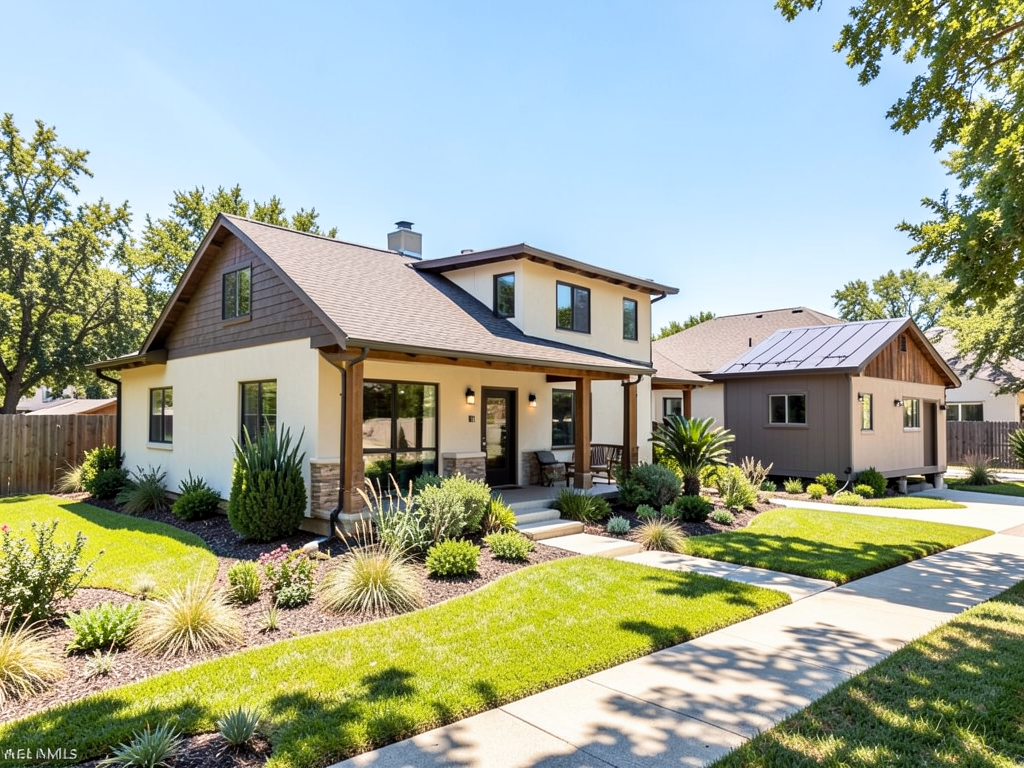
Discover home additions and ADU options in Central Texas with Unicus Construction. Call us to explore your best solution for your property today.
Central Texas homeowners who want to expand their living space face a common question: should you invest in a home addition, or is building an accessory dwelling unit the smarter choice? Both solutions offer real square footage and can transform how your family uses your property, but they serve different needs, involve distinct permitting paths, and deliver different returns. Unicus Construction has helped homeowners across Austin, San Marcos, Buda, Dripping Springs, Lakeway, and Driftwood navigate this decision for eight years, and owner Freddy Pacheco personally handles every consultation to ensure your project aligns with your lifestyle, lot constraints, and budget realities.
Understanding the Core Difference Between Home Additions and ADUs
A home addition extends your primary residence by adding square footage directly onto your existing structure. This might be a primary suite bumped out over your garage, a two-story family room addition, or a kitchen expansion that opens into a new dining area. The new space remains part of your main home's footprint, shares the same HVAC system and utilities, and functions as an integrated extension of your daily living environment.
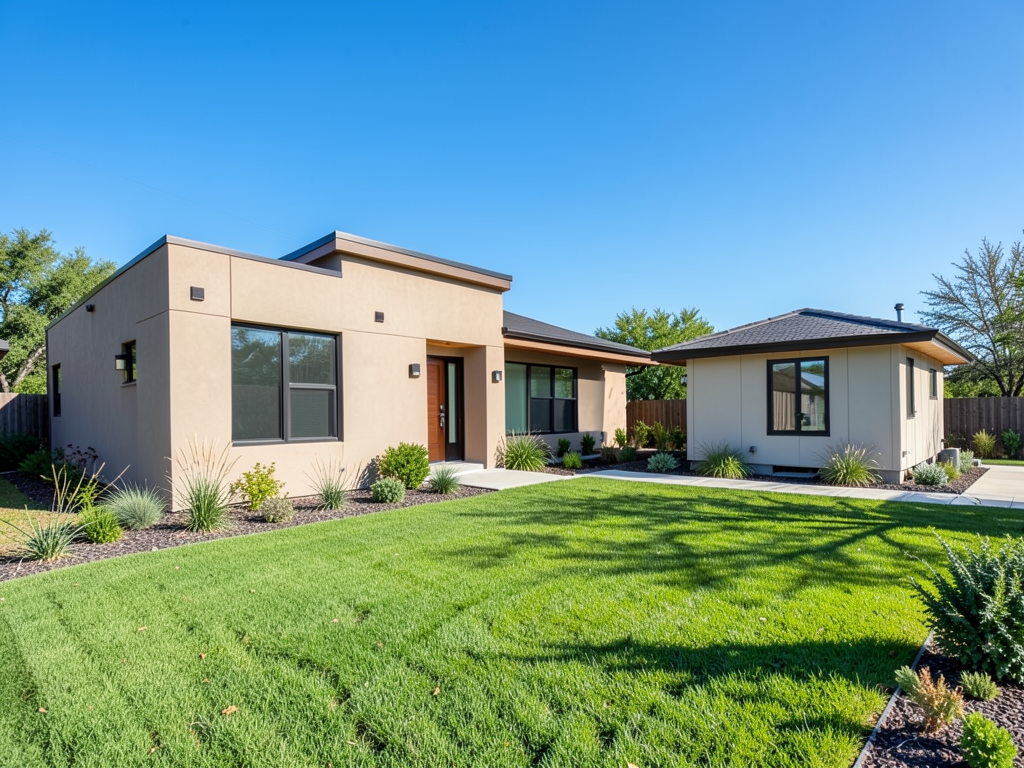
An accessory dwelling unit, or ADU, is a separate living structure on the same lot. It includes its own kitchen, bathroom, sleeping area, and entrance. ADUs can be detached structures in your backyard, garage conversions, or attached units with a separate entrance. They are permitted as independent dwellings and typically require their own utility connections, which adds complexity but also creates flexibility for rental income, multi-generational living, or guest suites that feel like true private spaces.
Both options require permits, design coordination, and careful attention to how the new construction integrates with your existing home and landscape. The choice depends on how you plan to use the space, whether your lot can accommodate a separate structure, and what kind of long-term value you want from the investment.
When a Home Addition Makes More Sense
Home additions are ideal when your goal is to expand the way your family uses the primary residence. If you need more bedrooms for growing kids, want to create a true primary suite with a spa-quality bathroom, or need to open up a cramped kitchen and living area, a home addition integrates seamlessly with your existing floor plan and architectural style.
Your Family Needs More Connected Living Space
Additions work best when the new square footage needs to feel like part of the home's daily flow. Families in neighborhoods like Circle C Ranch in Austin or the growing subdivisions off Kohlers Crossing in Kyle often choose additions because they want bedrooms closer to the main living areas, a larger kitchen that opens to the backyard, or a home office that connects to the rest of the house without going outside.
Your Lot Has Limited Setback Room
Many Central Texas lots, especially in established areas near downtown Buda or older Lakeway neighborhoods, have tight setback requirements that make it difficult to place a detached structure far enough from property lines and the main home. Adding onto your existing footprint may be the only viable way to gain square footage while staying within local zoning rules. Freddy Pacheco reviews lot surveys and setback constraints during every consultation to clarify what's feasible before you invest in architectural plans.
You Want to Avoid Separate Utility Hookups
Additions typically tie into your home's existing electrical panel, HVAC system, and plumbing lines. While the work still requires permits and inspections, you avoid the cost and coordination of installing a separate electric meter, water service, or septic connection. For projects focused on interior square footage rather than rental income or independent living, this simplicity often makes additions the more cost-effective path.
When an ADU Is the Better Investment
Accessory dwelling units shine when you need private, self-contained living space that functions independently from your main home. Whether you're planning for aging parents, creating rental income, or building a guest suite that offers real separation, an ADU delivers flexibility that a traditional addition cannot match.
You Need Multi-Generational Living Space
Families in Dripping Springs and the Hill Country often build ADUs to house aging parents or adult children who need their own kitchen, bathroom, and entrance while staying close to the main household. An ADU allows family members to maintain independence and privacy while remaining on the same property, which is especially valuable in rural areas where standalone homes are far apart or expensive.
You Want Rental Income Potential
Austin and San Marcos homeowners increasingly view ADUs as income-generating assets. A well-designed, rental-ready ADU can produce monthly income that offsets construction costs over time, especially in desirable areas near downtown Austin, Texas State University, or Lakeway's waterfront neighborhoods. Local short-term rental regulations vary by city, and permitting rules affect whether you can list the unit on platforms like Airbnb, so Freddy discusses these realities during your consultation to ensure your ADU strategy aligns with local rules.
Your Lot Has Room for a Detached Structure
If your property offers space in the backyard and meets setback requirements for a separate building, an ADU may be the most efficient way to maximize your land. Larger lots in Driftwood or the acreage properties common around Buda provide room for detached ADUs that don't compromise your main home's outdoor living areas or landscaping. A detached ADU also reduces the construction impact on your daily life, since most of the work happens outside the main structure.
Permitting and Feasibility Considerations in Central Texas
Both home additions and ADUs require building permits, but the permitting pathways differ in complexity and cost. Local jurisdictions in Central Texas enforce distinct rules around setbacks, utility connections, lot coverage, and whether ADUs are permitted at all in certain zoning districts.
City-Specific ADU Regulations
Austin has relatively progressive ADU rules that allow one ADU per single-family lot, with specific requirements around size, height, and parking. San Marcos and Buda have their own zoning codes that affect ADU feasibility, and some neighborhoods have deed restrictions that limit or prohibit detached structures. Unicus Construction does not provide legal advice on local codes, but Freddy helps homeowners understand what questions to ask their municipality or HOA before committing to design work.
Utility Hookup Requirements
ADUs typically require separate utility meters for electric, water, and wastewater, which adds upfront cost and coordination with local utility providers. In areas on well and septic, like parts of Dripping Springs or Driftwood, you may need to upgrade your septic system or drill a new well, depending on the ADU's size and intended occupancy. Home additions avoid this complexity by extending existing service lines, though you may still need electrical panel upgrades or HVAC capacity increases depending on the scope.
Impact Fees and Inspection Timelines
Both project types require inspections at multiple stages—foundation, framing, mechanical, and final. ADUs may trigger higher impact fees because they count as a new dwelling unit in some jurisdictions, while additions are often assessed as expansions of the primary residence. These fees vary by city, and inspection timelines can stretch several weeks during busy construction seasons. Unicus schedules inspections proactively and maintains clear communication with local building officials to keep projects moving without unnecessary delays.
Cost Comparison: What to Expect in Central Texas
Both home additions and ADUs start at Unicus Construction's $30,000 minimum project size, but most clients invest significantly more to achieve quality finishes and structural integrity that match their existing home.
Home Addition Costs
A basic bedroom and bathroom addition typically starts around $50,000 to $80,000, depending on foundation requirements, roofing complexity, and interior finishes. Larger additions that include open-concept living areas, vaulted ceilings, or custom kitchens often fall into the $100,000 to $200,000 range. Two-story additions, especially those requiring structural modifications to the existing home, can exceed $250,000. Your cost depends on square footage, finish quality, and how much existing structure needs modification to integrate the new space.
ADU Construction Costs
Detached ADUs range from $150,000 to $400,000 or more, depending on size, utility hookup complexity, and finish level. A 500-square-foot studio ADU with basic finishes may cost $150,000 to $200,000, while a 1,000-square-foot, two-bedroom ADU with premium appliances, custom tile, and high-end fixtures can exceed $300,000. Garage conversions tend to cost less than ground-up ADUs because the foundation and shell already exist, but they still require full mechanical, plumbing, and electrical work to meet code for independent living.
Where Your Budget Goes
Both projects allocate budget across foundation or slab work, framing and roofing, mechanical and plumbing systems, and interior finishes. ADUs carry additional cost for separate utility connections, and additions may require more complex roofing tie-ins or structural modifications to the existing home. Freddy Pacheco provides transparent budget discussions during consultations, so you understand where your investment goes and what trade-offs exist between finish quality, square footage, and project scope.
Design and Aesthetic Integration
Whether you choose an addition or an ADU, the new construction should complement your existing home's architecture, roofline, and exterior materials. Central Texas homes range from Hill Country ranch styles to modern farmhouses, and both project types require thoughtful design to avoid a disjointed look.
Matching Rooflines and Siding
Home additions must tie into your existing roof structure, which often means matching roof pitch, overhang depth, and shingle or metal roofing material. Unicus Construction coordinates with architects and framers to ensure the new roofline looks intentional, not tacked on. For ADUs, the structure is separate, but it still needs to echo the main home's exterior palette, window style, and landscaping to maintain visual harmony across the property.
Interior Finishes That Flow
For additions, interior finishes like flooring, trim, and paint should match or intentionally complement the existing home's aesthetic. Unicus handles full finish coordination, from selecting tile that matches your current bathroom to sourcing cabinet hardware that feels cohesive with your kitchen. ADUs offer more flexibility since they function as independent spaces, but many homeowners still prefer finishes that reflect the main home's style to preserve property value and curb appeal.
Timeline: What to Expect From Start to Finish
Both home additions and ADU projects take several months from consultation to final walkthrough, and Central Texas weather plays a role in scheduling outdoor work.
Consultation to Permit Approval
After your initial consultation with Freddy Pacheco, expect two to four weeks for design development and permit preparation, then another four to eight weeks for permit approval, depending on your city's review backlog. ADUs may face longer review times because they often require site plan review, utility coordination, and zoning verification. Unicus responds immediately to new inquiries, and typical consultation turnaround is about 10 days, so you can start the process quickly even if permitting takes time.
Construction Duration
A straightforward addition takes three to six months from foundation to final inspection, depending on size and finish complexity. ADUs typically require four to eight months because of the separate utility work, full framing and roofing, and independent mechanical systems. Scheduling also depends on weather—Central Texas summers bring extreme heat that slows outdoor concrete work, while winter offers milder temperatures that are ideal for framing and roofing. Unicus schedules projects year-round and adjusts timelines to account for seasonal conditions.
Final Inspections and Walkthroughs
Both project types require final inspections from local building officials before you can occupy the new space. Unicus coordinates these inspections, addresses any corrections the inspector requires, and conducts a final walkthrough with you to ensure every detail meets your expectations. We also perform deep cleaning after every renovation and job site, so your new addition or ADU is move-in ready without leftover construction dust or debris.
Long-Term Value: Resale and Appraisal Considerations
Both home additions and ADUs can increase your property's appraised value, but they do so in different ways and with varying degrees of return on investment.
How Additions Affect Home Value
A well-executed addition that adds bedrooms, bathrooms, or living space typically increases your home's square footage and market value. Appraisers view the addition as part of the main home, which means it directly affects the price-per-square-foot calculation. In competitive markets like Austin and Lakeway, a primary suite addition or open-concept kitchen expansion can deliver strong returns, especially if comparable homes in the neighborhood already offer similar layouts.
How ADUs Affect Property Value
ADUs add value by increasing the total living space on the property and offering rental income potential. Some appraisers treat ADUs as accessory structures and assess them at lower per-square-foot values than the main home, but in markets with strong rental demand, the income-generating potential can offset this discount. Properties with legal, permitted ADUs also appeal to buyers seeking multi-generational living or investment income, which broadens your buyer pool when you eventually sell.
Permitting and Appraisal Records
Whether you build an addition or an ADU, keeping your permits, inspection records, and final certificates of occupancy on file protects your investment. Unpermitted work can complicate appraisals, title transfers, and insurance claims. Unicus Construction handles all permitting and inspection coordination, so your project is documented correctly and adds legitimate, verifiable value to your property.
Making the Right Choice for Your Central Texas Property
Choosing between a home addition and an ADU depends on your specific goals, lot characteristics, and how you want to use the new space. If you need integrated living space that feels like a natural extension of your home, a home addition delivers seamless expansion with straightforward utility connections and cohesive design. If you value independence, rental income potential, or multi-generational privacy, an ADU offers flexibility and long-term investment benefits that additions cannot match.
Unicus Construction serves homeowners across Austin, San Marcos, Driftwood, Buda, Dripping Springs, and Lakeway within a 50-mile radius from our Kyle base. Owner Freddy Pacheco personally handles consultations and walks you through lot feasibility, permitting realities, and budget expectations before you commit to design work. We respond immediately to new inquiries and typically deliver consultations in about 10 days, so you can make informed decisions without waiting weeks for clarity.
Our six-person accountable team coordinates every trade, maintains clean job sites, and delivers the same premium build standards whether you're adding 300 square feet or building an 800-square-foot ADU. We're licensed and insured, BBB Accredited with an A+ rating, and we've spent eight years helping Central Texas homeowners grow their properties with craftsmanship and transparent communication.
If you're ready to explore whether a home addition or ADU fits your property and lifestyle, book a consultation at https://www.unicusconstructiontx.com/book or call (737) 678-4445. Virtual consultations are preferred, with in-person consultations available. Consultation hours are Monday through Friday, 8:00 AM to 3:00 PM. Freddy personally follows up on every inquiry, so you'll talk with the owner—not a salesperson—and get honest answers about what's possible, what it costs, and how long it takes. Unicus Construction delivers renovations, ADUs, and additions worth calling about, and we're here to help you make the right choice for your Central Texas home.