Home Additions vs ADUs in Central Texas
Freddy · · 11 min read
Discover the differences between home additions and ADUs in Central Texas with Unicus Construction. Learn which option fits your lifestyle and budget. Call today!
Central Texas homeowners exploring the idea of adding square footage to their property face a common crossroads: should you invest in a home addition that expands your existing structure, or build a standalone accessory dwelling unit (ADU) on your lot? Both options create valuable living space, but they serve different purposes, carry distinct costs, and require different approaches to permitting, utilities, and design. For homeowners in Austin, San Marcos, Dripping Springs, Buda, Lakeway, and Driftwood, understanding these differences before you book a consultation can help you make a confident decision that aligns with your family's lifestyle, budget, and long-term plans.
Understanding the Core Difference Between ADUs and Home Additions
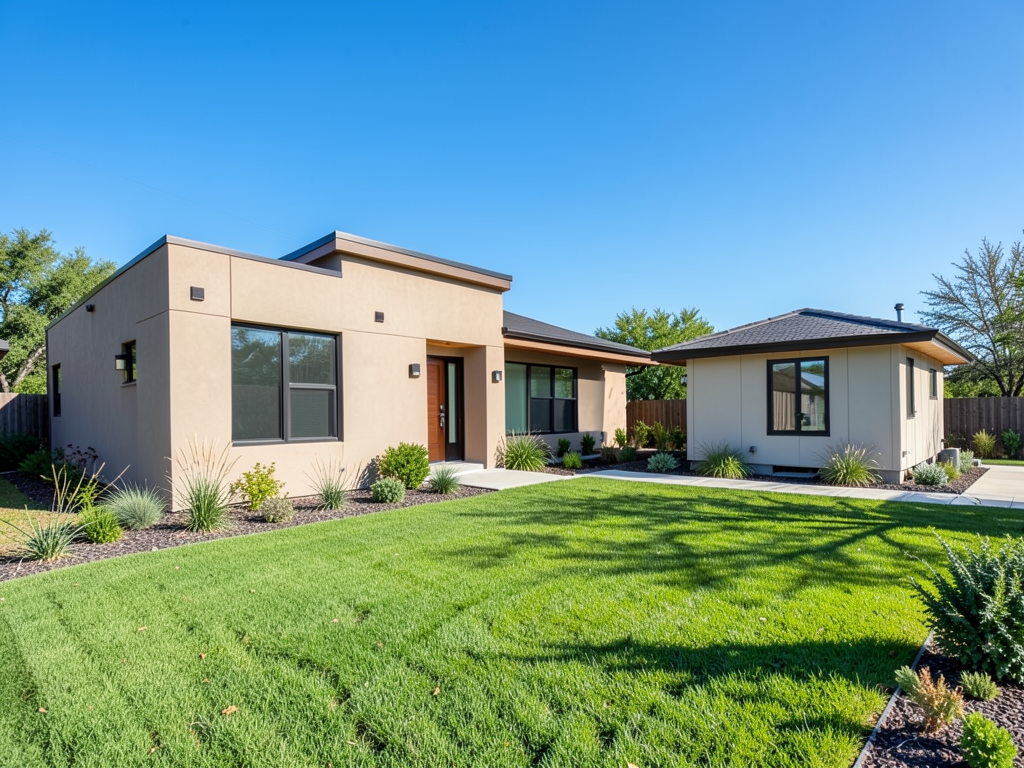
At the most basic level, a home addition expands your existing house—adding a primary suite, enlarging your kitchen, or creating a sunroom that flows directly from your living space. An ADU, or accessory dwelling unit, is a separate, self-contained structure on your property with its own entrance, kitchen, bathroom, and living area. Think of an addition as growing your home outward or upward, while an ADU is a standalone building designed for independent living.
In neighborhoods like Travis Country in Austin or the Hill Country estates around Dripping Springs, homeowners often choose additions to integrate new space seamlessly with their existing architecture. In contrast, families in Buda or San Marcos looking to house aging parents, adult children, or generate rental income frequently turn to ADUs for the privacy and flexibility a separate structure provides.
When a Home Addition Makes the Most Sense
Home additions work best when you want to enhance your primary residence without creating a separate household. Common scenarios include:
- Adding a primary suite: Homeowners in older Lakeway properties or ranch-style homes in Kyle often add a spacious bedroom and bath to avoid climbing stairs or to create a private retreat.
- Expanding living areas: Growing families in Buda may need a dedicated playroom, home office, or open-concept great room that connects to the existing kitchen and dining space.
- Blending with existing architecture: When curb appeal and cohesive design matter—especially in established Austin neighborhoods like Circle C or Barton Creek—additions can be designed to match rooflines, siding, and finishes so the expansion looks original to the home.
- Maximizing existing utilities: Additions typically tie into your home's HVAC, electrical panel, and plumbing systems, which can reduce infrastructure costs compared to running entirely new utility lines.
Because additions physically connect to your house, they require careful structural planning, foundation work, and weather-tight integration—especially important during Central Texas summers when heat and humidity can affect material performance and construction timelines. A licensed contractor experienced in home additions will ensure your expansion is framed properly, insulated to Texas energy standards, and finished to blend with your existing home.
When an ADU Is the Right Choice
An ADU offers independence and flexibility that an addition cannot. Consider an ADU if you need:
- Multi-generational living: Parents moving in from out of state or adult children returning home appreciate the privacy of a separate entrance, kitchen, and living space while staying close to family.
- Rental income potential: In high-demand markets like Austin and Dripping Springs, a well-designed ADU can generate consistent rental income, especially if it's located near downtown corridors, Texas State University in San Marcos, or Lakeway's resort and lake communities.
- Guest accommodations: Homeowners who host frequently or own vacation properties near Lake Travis or the Hill Country wine country often build ADUs to provide comfortable, private guest quarters without sacrificing space in the main house.
- Future flexibility: An ADU can serve as a home office today, a rental unit tomorrow, and eventually a caregiver suite or retirement cottage as your needs evolve.
Building an ADU means creating a standalone structure with its own foundation, roof, utilities, and systems. Depending on lot size, setbacks, and local zoning rules in cities like Austin or Dripping Springs, you may face additional permitting requirements, utility connection fees, and impact fees. Unicus Construction helps Central Texas homeowners navigate these complexities with owner-led consultations that clarify feasibility, timelines, and budgets before construction begins. Explore our ADU construction services to learn more about what's involved.
Cost Considerations: ADUs vs. Home Additions in Central Texas
Both ADUs and home additions represent significant investments, typically starting at $30,000 and ranging into the hundreds of thousands depending on size, finishes, and site conditions. However, the cost structures differ in important ways.
Home Addition Cost Factors
When you expand your existing home, you're working within an established structure, which can offer both savings and challenges:
- Foundation and framing: Additions require new foundation work—slab, pier and beam, or crawl space—and structural framing that ties into your existing walls and roof. In areas with expansive clay soils like Buda and Kyle, foundation design must account for soil movement.
- Roof integration: Matching rooflines, flashing, and valleys to prevent leaks is critical, especially during Central Texas storm season. Poor integration can lead to water intrusion and costly repairs.
- HVAC and electrical: You may need to upgrade your existing HVAC system or electrical panel to support the added square footage, but you're not starting from scratch with utility connections.
- Finish coordination: Matching flooring, paint, trim, and fixtures to your existing home can add complexity and cost, but the result is a cohesive, unified space.
Because home additions tie directly into your existing structure, they often deliver a lower cost per square foot than ADUs when you're adding significant space. However, they don't offer the rental income potential or independent living flexibility of an ADU.
ADU Cost Factors
Building a standalone ADU involves creating an entirely new dwelling, which includes:
- Site preparation: Grading, drainage, and clearing the build site on your property. In areas with mature trees like Driftwood or sloped lots in the Hill Country, site work can be more involved.
- Separate utilities: Running water, sewer or septic, electrical service, and sometimes gas lines to the ADU. In some jurisdictions, you may need a separate meter or pay utility connection fees.
- Full construction: Foundation, framing, roofing, exterior siding, windows, doors, insulation, drywall, plumbing, HVAC, electrical, and finishes—everything required for a complete, livable home.
- Permitting and inspections: ADUs often require more extensive permitting than additions, including zoning approval, site plan review, and utility coordination. Rules vary by city; Austin's ADU ordinances differ from those in San Marcos or unincorporated areas of Hays County.
While ADUs typically cost more per square foot than additions due to the need for independent systems and utilities, they offer rental income potential and long-term flexibility that can offset the initial investment. Homeowners in high-demand areas like South Austin, downtown San Marcos, or near Lakeway's lakefront can often generate $1,200 to $2,000 or more per month in rental income from a well-designed ADU.
Permitting and Zoning: What Central Texas Homeowners Need to Know
Permitting requirements are one of the most significant differences between ADUs and home additions, and they vary widely across Central Texas jurisdictions.
Home Addition Permitting
Most home additions require a building permit, which involves submitting plans that show structural details, foundation design, electrical and plumbing layouts, and energy code compliance. In cities like Austin, Buda, and Lakeway, you'll also need to demonstrate that the addition complies with setback requirements, lot coverage limits, and height restrictions.
Because additions are attached to your existing home, they're generally treated as expansions of your primary dwelling, which simplifies zoning approval. However, if your property is in a historic district, HOA-governed community, or environmentally sensitive area near Barton Springs or the Edwards Aquifer recharge zone, additional reviews and approvals may be required.
ADU Permitting and Zoning Regulations
ADUs face more complex permitting because they're considered separate dwellings. Key considerations include:
- Zoning approval: Not all residential lots in Central Texas allow ADUs. In Austin, ADUs are permitted citywide on single-family lots, but size, height, and setback rules vary by zoning district. In unincorporated Hays County or smaller cities like Driftwood, local rules may be more restrictive or require conditional use permits.
- Lot size and coverage: Many jurisdictions limit ADU size as a percentage of your primary home or total lot coverage. Minimum lot sizes may apply, especially in areas with septic systems rather than municipal sewer.
- Setbacks and parking: ADUs must meet setback requirements from property lines, and some cities require dedicated parking spaces. In walkable neighborhoods or near public transit in Austin or San Marcos, parking requirements may be reduced or waived.
- Utility connections: You'll need to coordinate water, sewer, electric, and possibly gas service with local utility providers. Some jurisdictions require separate meters; others allow shared meters with appropriate sizing.
- Owner occupancy: Some cities require that either the primary home or the ADU be owner-occupied, though Austin recently removed this restriction to expand housing options.
Navigating ADU permitting in Central Texas requires local expertise and awareness of evolving regulations. During your consultation, Unicus Construction reviews your property's zoning, lot dimensions, and utility access to help you understand feasibility and permitting timelines before you commit. We respond immediately to new inquiries and typically deliver consultations in about 10 days, giving you the clarity you need to move forward confidently.
Design and Lifestyle Considerations
Beyond cost and permits, your decision between an ADU and a home addition should reflect how you and your family actually live.
Privacy and Independence
If your goal is to provide private, independent living space—whether for aging parents, adult children, or tenants—an ADU delivers separation that an addition cannot. A separate entrance, kitchen, and living area allow occupants to come and go on their own schedule without disrupting the main household.
In contrast, a home addition keeps everyone under one roof, which can be ideal for families who want proximity and shared spaces but need more square footage for bedrooms, bathrooms, or common areas.
Resale Value and Market Appeal
Both ADUs and home additions can increase your property's value, but they appeal to different buyers. A thoughtfully designed addition that expands your primary living space—such as a luxurious primary suite or open-concept great room—can elevate your home's market position, especially in competitive neighborhoods like Steiner Ranch in Austin or Rancho Sienna in Buda.
An ADU appeals to buyers seeking rental income, multi-generational living options, or flexible space. In markets with strong rental demand like downtown Austin, San Marcos near Texas State, or Lakeway's resort areas, an ADU can be a significant selling point that differentiates your property from comparable listings.
Seasonal Construction Considerations in Central Texas
Central Texas summers bring intense heat, high humidity, and afternoon thunderstorms that can affect construction schedules. Both ADUs and home additions require careful planning to protect materials, manage worker safety, and maintain quality during extreme weather.
Home additions present unique challenges because they involve opening up your existing structure. During construction, your home may be exposed to the elements while roofing, framing, and exterior work are completed. Working with a licensed contractor who schedules work strategically—such as completing roof tie-ins and weather-tight enclosures before storm season—minimizes risk and keeps your project on track.
ADUs, as standalone structures, don't require opening your existing home, which can reduce disruption and weather-related risks to your primary residence. However, site work, foundation pours, and framing are still subject to weather delays, and hot summer days can slow concrete curing and affect worker productivity.
Fall and spring offer the most favorable construction conditions in Central Texas, with moderate temperatures and lower humidity. Winter construction is also viable, though occasional freezes and shorter daylight hours can impact schedules. During your consultation, we'll discuss realistic timelines based on your project scope and seasonal conditions.
How Unicus Construction Supports Your ADU or Addition Project
Whether you're leaning toward a home addition or an ADU, Unicus Construction provides owner-led consultations that bring clarity to your decision. CEO Freddy Pacheco personally handles every consultation, so you talk with the owner—not a salesperson—from day one.
With eight years serving Central Texas homeowners and a licensed, insured, six-person team, we deliver accountable service across Austin, San Marcos, Driftwood, Buda, Dripping Springs, and Lakeway. We prioritize projects starting at $30,000, with ideal project ranges between $250,000 and $1,000,000, and we bring the same level of craftsmanship and communication to every build.
Our Consultation Process
When you reach out to Unicus Construction, we respond immediately to new inquiries. We prefer virtual consultations, which allow us to review your property, discuss your goals, and provide preliminary guidance efficiently. In-person consultations are also available for projects that benefit from on-site evaluation.
During your consultation, we'll cover:
- Project feasibility: Lot size, setbacks, zoning, and utility access for ADUs; structural considerations, foundation options, and roof integration for additions.
- Budget and scope: Clear pricing conversations based on your goals, finish preferences, and site conditions.
- Permitting and timelines: What approvals are required, how long permitting typically takes in your jurisdiction, and realistic construction schedules.
- Design coordination: How to match your existing home's architecture for additions, or how to design an ADU that complements your property while maximizing rental appeal or family functionality.
Our typical consultation turnaround is about 10 days, and we're available Monday through Friday, 8:00 AM to 3:00 PM. We're BBB Accredited with an A+ rating, and we back every project with deep cleaning after completion so your home is ready to enjoy the moment we walk through it together.
Learn more about our approach on our About page, or explore our gallery to see finished ADUs, additions, and whole-home renovations across Central Texas.
Making the Right Choice for Your Property and Lifestyle
Choosing between an ADU and a home addition isn't just a construction decision—it's a lifestyle decision. Consider your family's current needs, your long-term plans, and how you want to use your property. If you need integrated space that expands your primary living areas and blends seamlessly with your home's architecture, a home addition is likely the right path. If you're seeking independent living space with rental income potential, multi-generational flexibility, or future adaptability, an ADU offers advantages that an addition cannot match.
Both options require careful planning, experienced execution, and clear communication from consultation through completion. Unicus Construction brings owner-led accountability, local expertise, and a track record of successful projects across Austin, San Marcos, Dripping Springs, Buda, Lakeway, and Driftwood. We serve homeowners within a 50-mile radius of Kyle, and we do not currently accept leads from Manor.
Ready to explore which option fits your property and goals? Book a consultation today by calling (737) 678-4445, emailing info@unicusconstructiontx.com, or visiting https://www.unicusconstructiontx.com/book. Owner Freddy Pacheco personally handles consultations, and we respond immediately to new inquiries. Let's build a plan that works for how you actually live.